

Classification of Items of Repairs of Buildings in Maharashtra PWD
(1) Current Repairs (CR)
Current or ordinary repairs are routine maintenance works carried out annually or periodically to keep buildings functional. These typically cover minor, recurring items that prevent larger issues if addressed promptly.
CR-1: Repairs to Fixtures and Fastenings of Doors and Windows
This involves inspecting, repairing, or replacing hinges, latches, handles, tower bolts, aldrops, and other hardware. Regular maintenance prevents rust, loosening, or breakage, ensuring smooth operation, improved security, and reduced energy loss through drafts. In Maharashtra PWD, these are usually performed annually.

CR-2: Repairs to Frames and Shutters of Doors and Windows
Focuses on wooden, metal, or UPVC frames and shutters prone to warping, cracking, or deterioration. Repairs include sanding, filling, repainting, or partial replacement to maintain structural integrity and protection against weather.

CR-3: Sanitary and Water Supply Fittings
Covers repair of leaks in taps, showers, toilets, and pipes. Timely fixes prevent water wastage, maintain hygiene, and comply with conservation norms in public buildings.

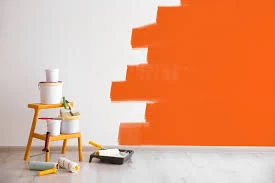
CR-4: Colour Washing, Distempering, and Patch Painting
Targeted repainting of faded or damaged areas on walls, doors, and windows using eco-friendly, low-VOC paints to enhance appearance and protect against moisture and fungal growth.
CR-5: Repairs to Floors
Includes fixing cracks, levelling, or replacing damaged tiles, especially in high-traffic areas where anti-slip materials improve safety.

CR-6: Repairs to Plaster and Pointing
Repairs damaged plaster and repoints brickwork to restore surface integrity and prevent water ingress.

CR-7: Repairs to Roof (Tile Replacement, Leakage Attendance, Waterproofing)
Essential for preventing water damage; includes tile replacement, sealing, and application of waterproof coatings. Heat-reflective materials can enhance energy efficiency.

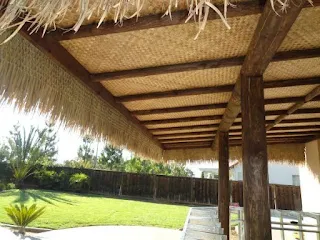
CR-8: Monsoon Protection (e.g., Bamboo Matting)
Temporary measures like bamboo matting or tarpaulins to protect vulnerable areas during heavy rains.
CR-9: Maintenance of Electrical Fittings and Fixtures
Ensures safety by repairing or replacing faulty switches, sockets, lights, and wiring in compliance with BIS standards.

CR-10: Miscellaneous Items of Similar Nature
Estimates for current repairs are sanctioned annually by the Executive Engineer and executed in consultation with the concerned user department.
(2) Special Repairs (SLR)
These are non-routine repairs required at longer intervals to address significant wear or damage.
SLR-1: Partial Re-roofing
Replacement of extensively damaged roof sections to extend overall roof life cost-effectively.

SLR-2 to SLR-6
- SLR-2: Full distempering and colouring
- SLR-3: Replacement of water supply and sanitary pipes
- SLR-4: Periodical oil painting (every 3–5 years)
- SLR-5: Replacement of electrical wiring
- SLR-6: Re-plastering of walls


SLR-7: Miscellaneous Special Repairs
Special repair estimates are sanctioned by the Superintending Engineer. At least 50% of the maintenance grant must be utilised for special repairs (as per Govt. Circular dated 25/11/2005). User department complaints must be considered.
(3) Specified Repairs (SDR)
Major structural repairs aimed at strengthening the building, extending its life, improving hygiene, and enhancing safety.
SDR-1 to SDR-4
- SDR-1: Renewal of old roof with Mangalore tiles, AC sheets, etc.
- SDR-2: Renewal of decayed doors and windows
- SDR-3: Re-plumbing to reduce leakages
- SDR-4: Guniting and corrosion protection

SDR-5 & SDR-5A: Renewal of Electrical Wiring and Replacement of Motors/Pumps/Hoists
Replace equipment that has outlived its useful life, especially where guniting is carried out.

SDR works require detailed estimates sanctioned by the Chief Engineer. Specialized agencies or departmental execution is preferred. Quality monitoring by Vigilance & Quality Control Circle is mandatory.
Importance of Building Maintenance in Maharashtra PWD
Regular and categorised maintenance preserves public infrastructure, ensures occupant safety, optimises budgetary resources, and incorporates sustainable practices. Recent guidelines emphasise technology (e.g., drone surveys) and eco-friendly materials.

3 Comments
This blog is helpful and Informative.
ReplyDeletesheds bunbury
In applications where adaptability is key, the flexible HDPE sheet stands out for its bendable yet durable structure. These sheets are perfect for curved surfaces, containment liners, or transport covers. Their flexibility ensures easier handling without compromising toughness. Chemical resistance, moisture protection, and easy fabrication make them suitable for various sectors including agriculture, aquaculture, and logistics. Choose flexibility without sacrificing reliability for your next industrial or commercial task.
ReplyDeleteThis post is extremely radiant. I extremely like this post. It is outstanding amongst other posts that I’ve read in quite a while. Much obliged for this better than average post. I truly value it! structural restoration services
ReplyDeleteIf you have any doubts, suggestions , corrections etc. let me know